
Why Parents Worry About Socialisation in Home Education
Most parents thinking about home educating or home schooling their child hear early on:
“But what about socialisation?”
It’s a familiar question—even for experienced home‑ed parents who sometimes wonder, “Am I doing enough?”
How Home‑Educated and Home‑Schooled Kids Socialise
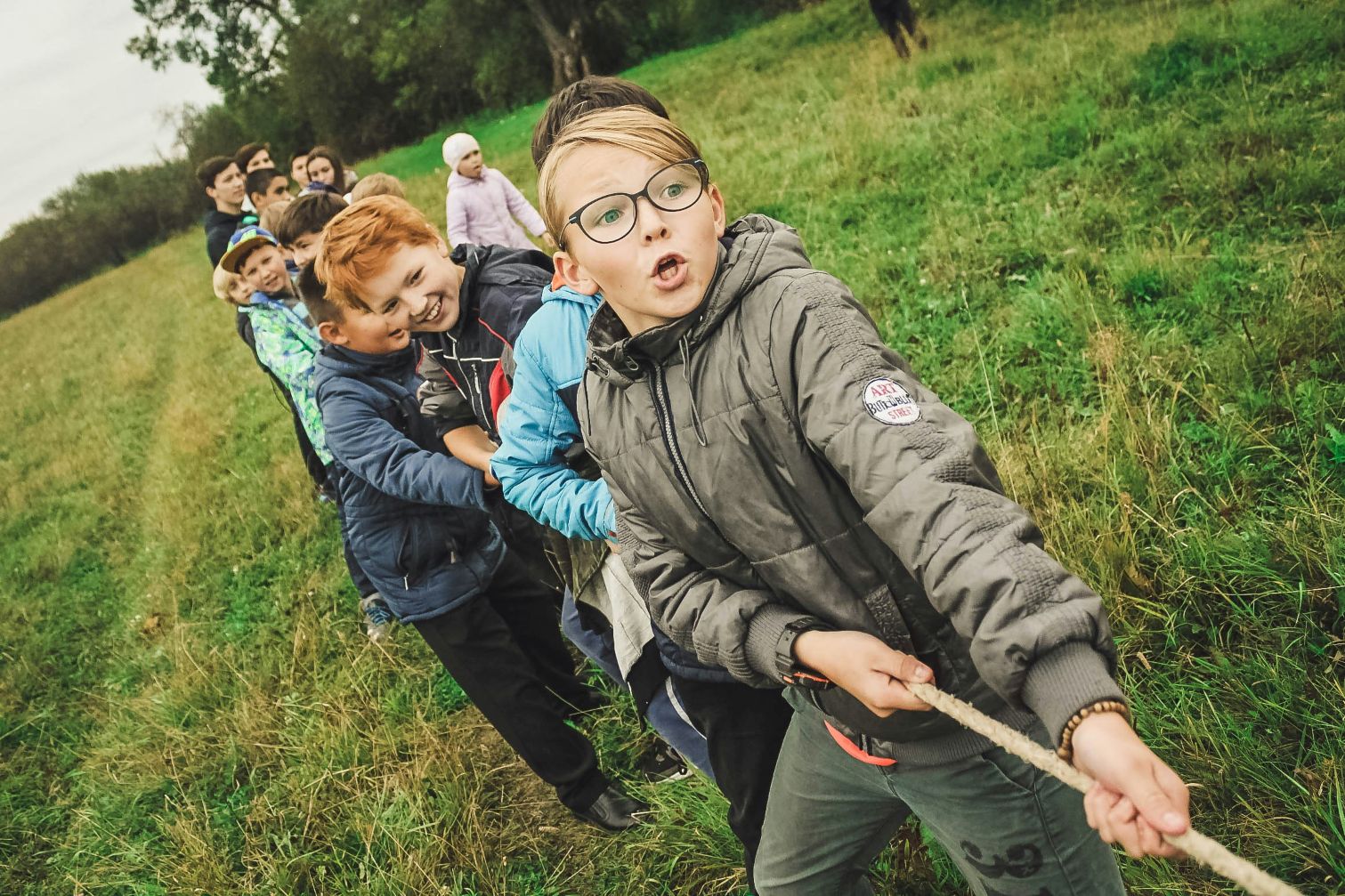
The truth is, home‑educated children have vibrant social lives. They:
- Join local home‑ed groups and park meet‑ups
- Attend forest schools, sports clubs, Scouts, and drama groups
- Take part in community volunteering and local workshops
- Meet peers via online study groups and collaborative projects
- Enjoy day trips and group learning events, like those on Events4Kids
These activities often give home‑educated kids friendships across age groups and real‑world confidence that school alone doesn’t always provide.
Why the Socialisation Question Really Bothers Parents
The concern often comes less from your child and more from friends, family, or neighbours who imagine a lonely child at a kitchen table. That pressure can make even confident parents second‑guess themselves.
The solution? Evidence. Knowing the research proves that home‑educated children thrive socially allows you to reassure yourself and politely dazzle doubters with facts.
📚 Research Showing Home‑Educated Children Thrive Socially
Social, Emotional & Psychological Development
- A major review by Dr Brian Ray found that 87% of peer‑reviewed studies show home‑schooled children perform as well or better than school‑educated peers in social, emotional, and psychological measures such as self‑esteem, leadership, and community involvement (nheri.org).
Stronger Social Skills & Independence
- Dr Richard Medlin’s study using the Social Skills Rating System found that homeschooled children scored significantly higher on cooperation, assertiveness, empathy, and self‑control than public school norms (stetson.edu).
Real‑World Friendships & Age‑Diverse Networks
- UK research in the European Journal of Psychology of Education (2018) reported that home‑educated adolescents (ages 11–14) felt happy, confident, and socially capable, with positive community connections across diverse age groups (link.springer.com).
Civic Engagement & Volunteering
- Studies show home‑educated individuals often engage more in community service and volunteering in young adulthood than school‑educated peers (nheri.org).
How to Confidently Respond to “What About Socialisation?”
Next time someone asks, “But what about socialisation?” you can answer confidently:
- “Actually, research shows home‑educated kids often develop stronger social skills and independence than their peers in school.”
- “Our children socialise through clubs, community activities, volunteering, and local home‑ed groups—their world is bigger than just one classroom!”
By knowing the evidence, you’re not only reassuring yourself—you’re showing others that your choice is thoughtful, informed, and in your child’s best interest.
✅ Final Thoughts: Use Evidence, Build Community, Feel Confident
Socialisation isn’t a weakness of home education—it’s a strength. With research on your side and community opportunities all around, your child can enjoy a socially rich, confidence‑building childhood.
- Explore local home‑ed events
- Read our advice on planning a home education activity to connect with other families
- Sign up for our newsletter for monthly events, resources, and exclusive discounts
You’ve made a thoughtful choice. With the evidence in hand, you can move forward knowing your child’s social and emotional future is bright.