If you’re fairly new to home education and quietly wondering, "Am I doing enough?", this is for you.
I remember those feelings. When we first started home educating, our children were just 6 and 8, and we had no idea quite where their learning would take us.
We certainly didn’t have a grand plan for GCSEs.
It started with a YouTube video
Early on, we discovered The Conscientious Biologist on YouTube.
We stumbled across some GCSE Biology videos, and I quickly realised something: children can understand far more than we sometimes give them credit for.
They didn’t need to understand every scientific term or remember everything they watched. They were interested, asking questions and absorbing ideas that I might otherwise have assumed were too advanced for them.
That early exposure sparked a genuine interest in science.
By the time my son was 11 or 12, he was working through IGCSE Biology, not because he had reached a particular school year or because I had decided he should, but because he enjoyed it.
But were we doing enough?
I’ll admit, there were times when I questioned our approach.
We tended to concentrate on one academic subject at a time, alongside home education activities, friendships, days out and everything else that makes up family life.
We weren’t following a school timetable or trying to cover every subject every day.
And when you see other families following structured curricula, it’s easy to wonder whether you’re missing something.
But focusing on one subject gave my son the freedom to explore it properly, without constantly switching between subjects or feeling he needed to keep up with an arbitrary timetable.
At 13, he sat his first IGCSE and achieved a grade 6 in Biology.
I was so happy for him, but knew the grade was only part of what he’d gained.
The most valuable lessons weren’t on the syllabus
Preparing for that first exam taught him things that would prove far more valuable than remembering Biology facts.
He learnt how to take useful notes, revise effectively, recognise what he didn’t understand and work through difficult topics.
He discovered that getting questions wrong wasn’t failure. It was a way of identifying what he needed to practise.
He developed resilience, learnt to manage exam nerves and, perhaps most importantly, began to understand how he learns best.
But there was another important lesson. Sitting that first exam helped remove the mystery and fear surrounding GCSEs.
He discovered that exams weren’t something to be frightened of. They were simply an opportunity to demonstrate what he’d learnt. Getting something wrong wasn’t a disaster, and his results didn’t define his ability.
It also helped dispel the myth that children need to be 16 and taught by a qualified teacher to succeed in formal examinations.
By removing the pressure and fear surrounding exams, he’d gained the confidence to approach the next one knowing exactly what to expect.
Of course, taking exams early won’t suit every child. But for us, that first experience opened our eyes to what was possible.
From Biology to Maths, and learning around the world
After Biology, my son decided to tackle IGCSE Maths.
This time, he had something he hadn’t possessed before: experience.
He already understood how to organise his learning, identify weaker areas and prepare for exams.
We used Cognito as our structured online learning platform, alongside Mr Astbury’s YouTube lessons and plenty of past papers.
The combination worked well. Cognito provided the structure, while the videos and past papers helped him develop his understanding and practise applying what he’d learnt.
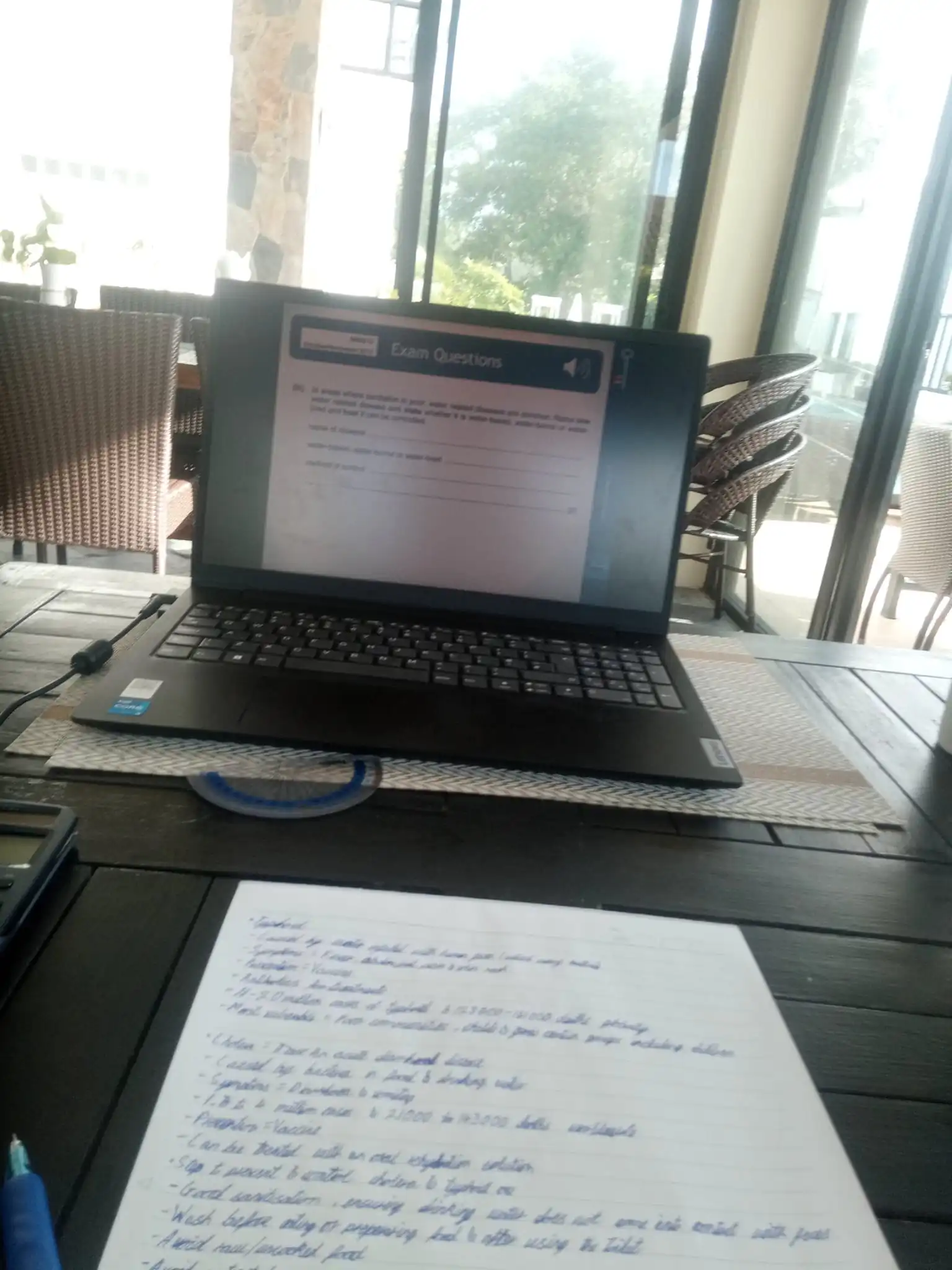
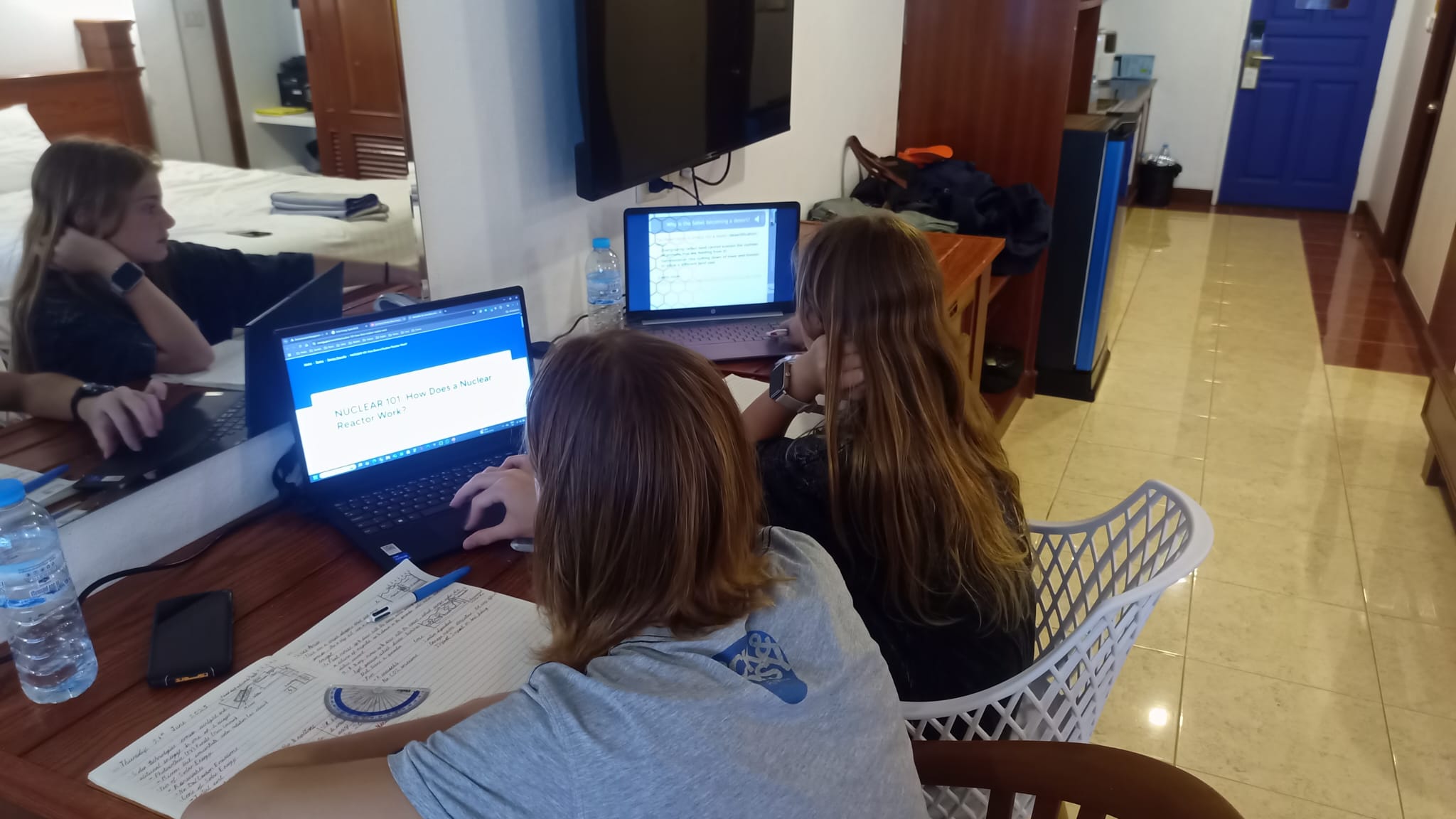
With home education came the freedom of no longer being tied to a school location. We spent a year travelling, and the children continued learning along the way.
Much of his Maths study and revision happened as we travelled from the UK to Bangkok, then Hua Hin and eventually Phuket, where he sat his exam.
Different accommodation, different surroundings, a completely different country, but the learning continued.
At 14, he achieved a grade 9 in IGCSE Maths.
If you’re interested in the practical side of how he studied, he wrote his own article: How I Prepared for IGCSE Maths as a Home-Educated Student.
And then he became the teacher
After a short break, he decided to study IGCSE Environmental Management.
His younger sister had already been working through the course for nine months.
Rather than starting from scratch, he brought everything he’d learnt from his previous exams. And this time, he shared those study techniques with his sister.
They worked towards their exams together, supporting each other and learning from their different approaches.
Just three months later, they both sat Environmental Management IGCSE at a school in Malaysia.
Another country, another unfamiliar exam environment, and another valuable experience.
When the results arrived, they had achieved an A and an A*.
I was incredibly proud of both of them. Not just for their grades, but for the independence, determination and confidence they’d developed along the way.
What I’d tell a parent just starting home education
If I could go back and reassure myself during those early years, I’d say this:
Don’t measure your child’s education solely by how many subjects they’ve covered or how closely their day resembles school.
Learning isn’t always neat or evenly distributed.
Sometimes a child will spend months absorbed in one subject. Sometimes they’ll learn more from travelling, friendships, conversations and new experiences than from sitting at a desk.
And sometimes the skills they’re developing aren’t immediately visible.
Looking back, I can see that our approach wasn’t simply about covering academic content. It was about giving our children the confidence and skills to take responsibility for their own learning.
That doesn’t mean our approach will suit every family, or that qualifications should be the ultimate goal of home education.
It’s simply a reminder that there is more than one way to learn, and progress doesn’t always look the way we expect.
If you’re at the beginning of your journey, our guide to starting home education in England may also be helpful.
And if exams eventually become part of your plans, we’ve put together a practical guide to booking GCSEs and IGCSEs for home-educated children.
A resource that’s helped us along the way
One of the advantages of home education is the freedom to choose resources that suit your child.
For our family, Cognito has been particularly useful as the children have become more independent learners.
It provides structured Maths and Science lessons, videos, practice questions, flashcards and progress tracking, so children can work through topics at their own pace.
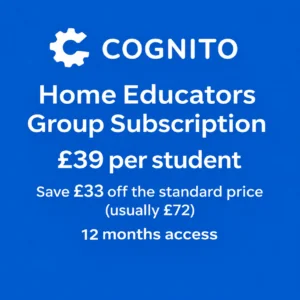
Events4Kids has partnered with Cognito to offer home-educating families 12 months of Cognito Pro for £39 per student, compared with the standard £72 annual price.
You can try the free version first to see whether it suits your child.
Find out more about the Events4Kids Cognito subscription.
Events4Kids has a commercial partnership with Cognito. This recommendation is also based on our family’s experience of using the platform.
One final thought
I’m incredibly proud of my children and what they’ve achieved.
But this story isn’t about exceptional children or collecting qualifications at the youngest possible age.
It’s about what can happen when we stop measuring learning against school year groups, give children the freedom to explore what interests them and trust that they’re capable of more than we might expect.
So if you’re wondering whether you’re doing enough, don’t feel you have to recreate school at home. Follow their curiosity, challenge them when they’re ready, and don’t let assumptions about what they should be learning at their age hold them back.